
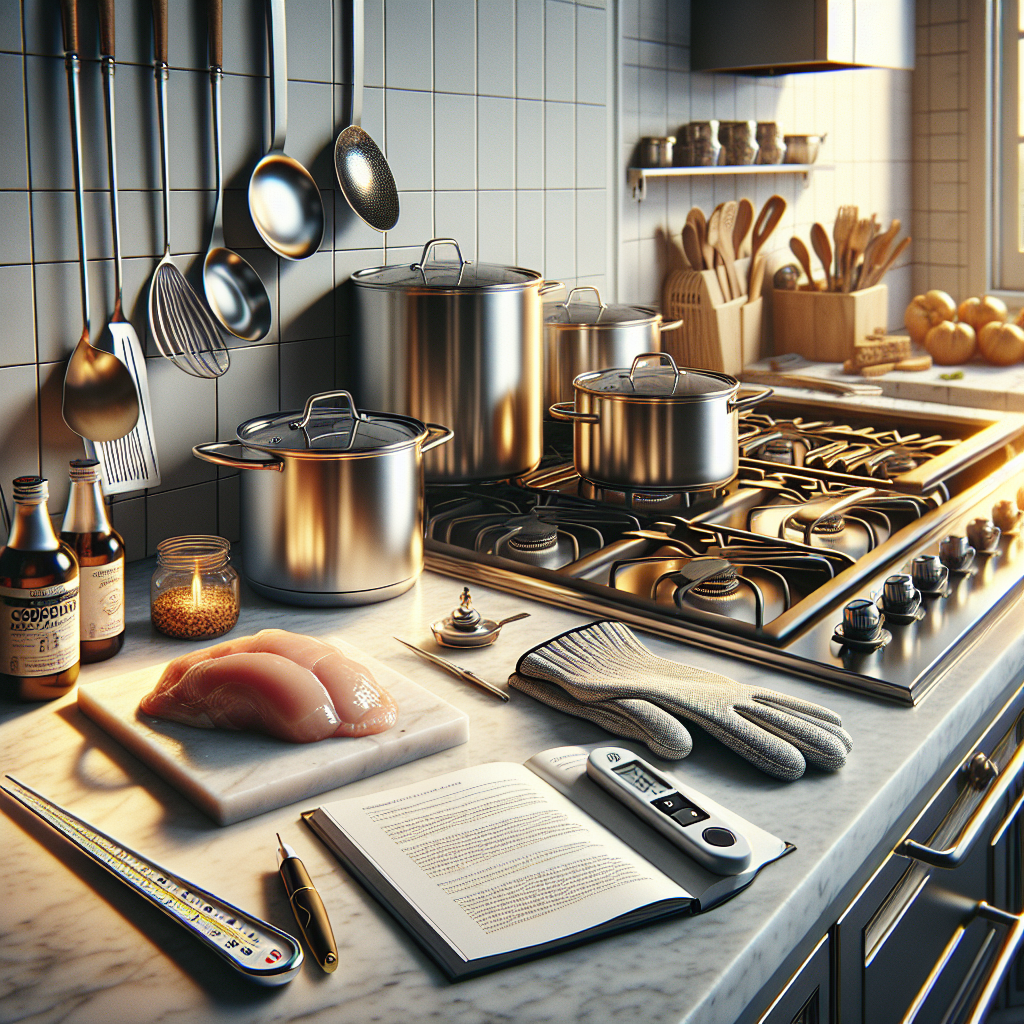
Food safety is paramount in ensuring that our meals are both delicious and free from harmful pathogens. The United States Department of Agriculture (USDA) has established guidelines that are vital for anyone looking to prepare food safely. Understanding safe cooking temperatures can greatly reduce the risk of foodborne illnesses. Here’s what you need to know about these essential guidelines.
Why Cooking Temperatures Matter
When foods, particularly meats and poultry, are cooked at unsafe temperatures, harmful bacteria such as Salmonella, E. coli, and Listeria can survive. These pathogens can lead to serious health issues, making it crucial to cook food to the recommended internal temperatures to kill any potentially harmful microorganisms.
USDA Recommended Cooking Temperatures
The USDA provides specific minimum internal temperatures for various food types to ensure safety. Here’s a breakdown:
1. Poultry
- Chicken and Turkey: Cook to an internal temperature of 165°F (73.9°C). This applies to whole birds, parts, and ground poultry.
2. Ground Meats
- Beef, Pork, Lamb, and Veal: Ground versions should reach at least 160°F (71.1°C).
3. Beef, Pork, Lamb, and Veal (Steaks, Roasts, Chops)
- For these cuts, achieve a minimum of 145°F (62.8°C) and allow a three-minute rest time before carving or consuming.
4. Fish and Shellfish
- Fish should also be cooked to 145°F (62.8°C). Check for opaque flesh that flakes easily.
5. Eggs
- Eggs and egg dishes should be cooked to 160°F (71.1°C). This ensures both the whites and yolks are firm.
6. Leftovers and Casseroles
- To safely reheat leftovers or casseroles, reach an internal temperature of 165°F (73.9°C).
Using a Food Thermometer
To ensure accuracy, using a food thermometer is essential. Here are some tips for effective usage:
- Insert Correctly: Place the thermometer in the thickest part of the meat, avoiding bones and fat.
- Clean the Thermometer: Sanitize the thermometer before and after use to prevent cross-contamination.
- Check Calibration: Regularly calibrate your thermometer to ensure it provides accurate readings.
Additional Considerations
1. Resting Times
Resting meats allows the juices to redistribute, improving flavor and texture. For instance, beef steaks should rest for about three minutes after removing from heat.
2. Carryover Cooking
Foods retain heat after being removed from the source, potentially increasing their internal temperature. This phenomenon, known as carryover cooking, is particularly important for larger cuts of meat.
3. Cross-Contamination
Always keep raw foods separate from cooked items. Clean surfaces, utensils, and hands regularly to prevent the spread of bacteria.
Conclusion
Understanding and adhering to the USDA’s safe cooking temperatures is crucial in the kitchen. By following these guidelines, you contribute to food safety, protecting yourself and your loved ones from foodborne illnesses. Ensure your meals are not just flavorful but also safe, using a food thermometer and staying informed about these essential practices. Safe cooking is a key ingredient to healthy living!
