
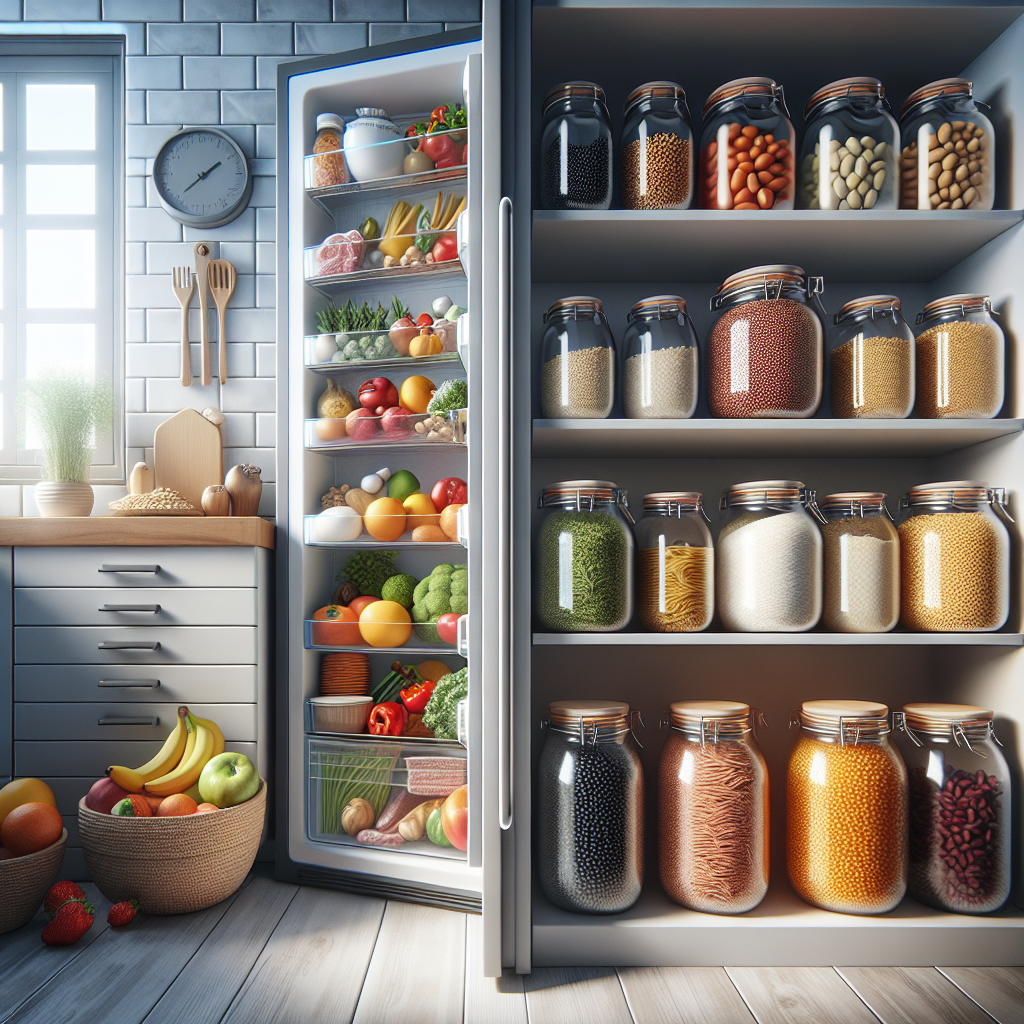
When it comes to food storage, the debate between keeping items in the fridge versus on the counter can be significant. Each option has its benefits and shortcomings, and the right choice often depends on the specific food item in question. Understanding these factors can help you keep your food fresher for longer and reduce waste. Let’s explore the best practices for storing various foods and the science behind them.
The Cold Case: Refrigeration
Benefits of the Fridge
-
Temperature Control: Refrigerators maintain a cool environment, which slows the growth of bacteria and mold. This is essential for perishable items like dairy, meat, and some fruits and vegetables.
-
Extended Freshness: Foods such as leftovers, opened condiments, and pre-prepared meals benefit greatly from refrigeration, allowing them to last longer while maintaining quality.
- Food Safety: Storing items that are prone to spoilage, like seafood and dairy products, in the fridge significantly lowers the chances of foodborne illnesses.
Ideal Items for Refrigeration
- Meat and Poultry: Stores best under 40°F to prevent bacterial growth.
- Dairy: Milk, cheese, and yogurt stay fresh longer when chilled.
- Fruits and Vegetables: While some should be kept on the counter (like bananas and avocados), many leafy greens and berries thrive in the fridge.
The Countertop: Room Temperature Storage
Benefits of Counter Storage
-
Ripening Process: Certain fruits like bananas, avocados, and tomatoes require a warmer environment to ripen properly. Storing them on the counter allows them to develop their fullest flavor and texture.
-
Convenience: Foods like bread and crackers are easier to access and maintain their texture when kept at room temperature.
- Flavor Development: Some foods, such as garlic and potatoes, develop better flavor profiles when stored outside of the fridge.
Ideal Items for Counter Storage
- Fruits: Apples, pears, and tomatoes prefer to be stored at room temperature until they are ripe.
- Bread: Fresh bread maintains its texture and crust better when stored in a breadbox or a cool, dark place.
- Onions and Garlic: These should be stored in a dry, dark, and well-ventilated place for optimal freshness.
The Grey Area: What’s the Rule?
-
Tomatoes: While many individuals prefer to keep tomatoes in the fridge, doing so alters their texture and flavor. Room temperature is ideal until they are cut.
-
Eggs: Refrigerated eggs have a longer shelf life, but in many cultures, they are stored at room temperature. This depends on local regulations and practices.
- Chocolate and Nuts: While they can be stored at room temperature, in hotter climates, refrigeration may help prevent rancidity or melting.
The Science Behind It
Understanding why certain foods thrive at different temperatures can help you make informed decisions. The growth of bacteria is significantly slowed at temperatures below 40°F, which is why refrigeration is crucial for raw meats and dairy. Conversely, certain fruits produce ethylene gas which accelerates the ripening process. Keeping them at room temperature allows them to ripen naturally, enhancing flavor and texture.
Best Practices for Food Storage
- Label and Date: Always label your food items with the date they were stored so you can track freshness.
- Use Air-Tight Containers: Storing foods in air-tight containers extends their longevity, whether in the fridge or on the counter.
- Optimize Your Space: Keep your fridge organized. Store items that need to be used first at the front, while creating zones for dairy, meats, and leftovers.
Conclusion
While both the fridge and the counter serve important roles in food storage, their use depends on the specific items in your kitchen. Understanding the needs of your food can lead to better preservation, taste, and safety. By strategically utilizing both storage methods, you can maximize freshness and minimize waste, creating a healthier and more enjoyable food experience. So, next time you’re unsure where to put that avocado or loaf of bread, consider its needs and store it accordingly!
