
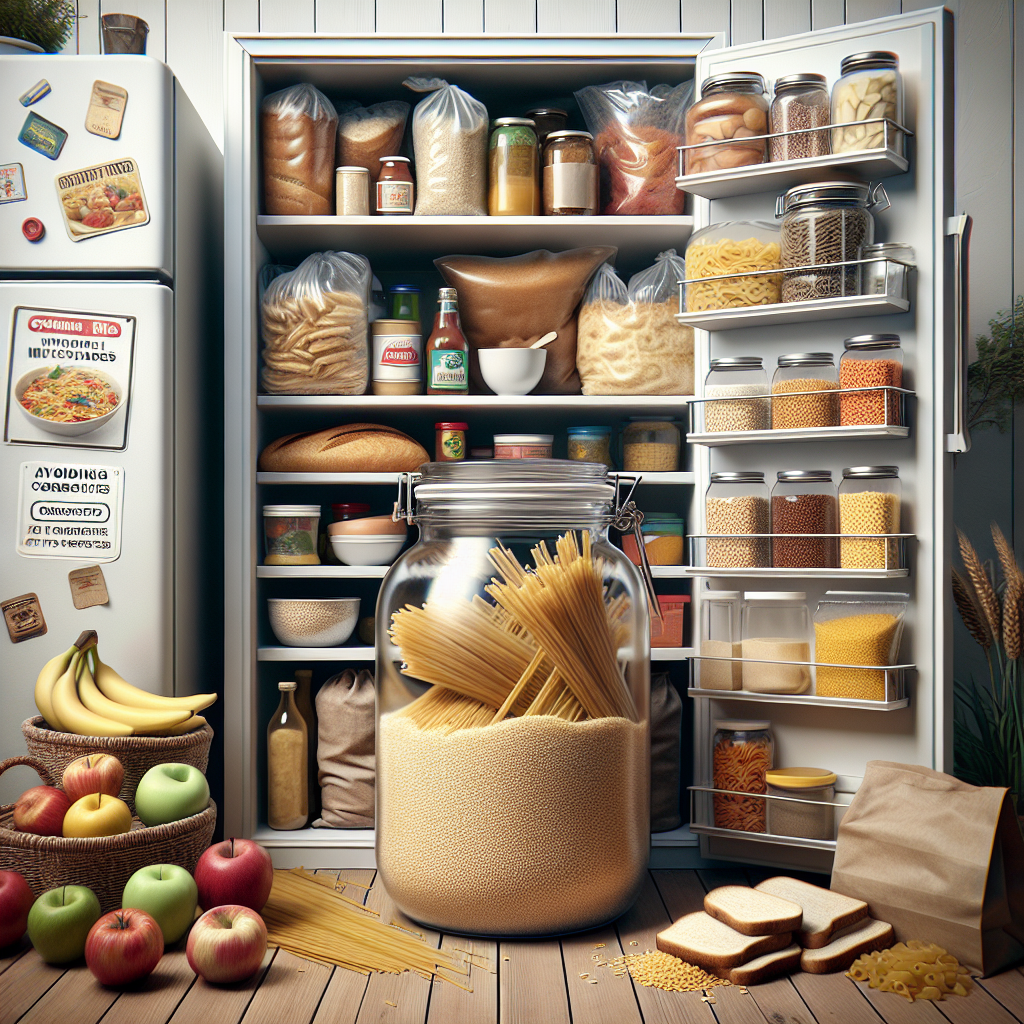
Food storage is a crucial aspect of meal preparation, budgeting, and minimizing waste. However, many people unwittingly make mistakes that can compromise the quality and safety of their food. Here’s a look at ten common food storage mistakes and how you can avoid them.
1. Not Using Airtight Containers
Mistake:
Storing food in non-air-tight containers can lead to spoilage and exposure to contaminants.
Solution:
Invest in high-quality airtight containers for grains, flour, snacks, and leftovers. Look for glass or BPA-free plastic options that can seal tightly to prevent air and moisture from degrading your food.
2. Ignoring Expiration Dates
Mistake:
Many people overlook expiration or “best by” dates, assuming food is still safe beyond these markers.
Solution:
Regularly check your pantry and refrigerator for expiration dates. Familiarize yourself with food safety guidelines; for instance, some items remain safe to eat even past their "best by" dates, while dairy and meat require stricter adherence.
3. Improper Refrigeration
Mistake:
Storing food in the wrong section of the fridge can lead to spoilage. For instance, placing fruits in a drawer meant for vegetables can accelerate their ripening.
Solution:
Understand the temperature zones of your fridge. The coldest spot is usually in the back, ideal for meat and dairy, while fruits do well in designated crisper drawers. Keep eggs on a middle shelf rather than in the door.
4. Not Labeling Food
Mistake:
Failing to label containers can lead to confusion and food waste, as it’s easy to forget when a dish was prepared.
Solution:
Use labels with dates and contents for each container. This simple step will ensure you use things in a timely manner and reduce unnecessary waste.
5. Storing Food in the Wrong Temperature
Mistake:
Storing food at improper temperatures can lead to bacterial growth.
Solution:
Keep your fridge at or below 40°F (4°C) and your freezer at 0°F (-18°C). Use a thermometer to ensure your appliances maintain safe temperatures.
6. Freezing Food Improperly
Mistake:
Wrapping food inadequately for freezing can cause freezer burn and diminish quality.
Solution:
Use freezer-safe wraps or bags that minimize air exposure. For meats, consider vacuum-sealing to prolong freshness. Store in small portions to make thawing and cooking easier.
7. Overcrowding the Fridge
Mistake:
Overpacking can restrict airflow and cause uneven temperatures, leading to faster spoilage.
Solution:
Keep your fridge organized and avoid overcrowding. Ensure proper air circulation by placing items at least a little apart from one another.
8. Not Using the FIFO Method
Mistake:
Storing newer items in front of older ones can cause older items to be forgotten and eventually wasted.
Solution:
Use the “First In, First Out” (FIFO) method by placing newer products behind older ones. This ensures that older items are used first.
9. Neglecting Pantry Organization
Mistake:
A disorganized pantry makes it hard to find items and can lead to purchasing duplicates, resulting in waste.
Solution:
Regularly clean and organize your pantry. Group similar items together, use clear containers for visibility, and make a list of what you already have.
10. Keeping Food in Packaging Designed for Display
Mistake:
Some food items are designed for display and not for long-term storage, such as paper or cardboard packaging.
Solution:
Transfer these items into appropriate air-tight containers as soon as you bring them home. This is especially important for cereals, grains, and snacks that could become stale.
Conclusion
Being mindful of proper food storage techniques can save you money, enhance your cooking experience, and ensure the safety of the food you consume. By avoiding these ten common mistakes, you can enjoy fresher, more flavorful meals while minimizing waste. Remember, a little organization and foresight go a long way in the kitchen!
