
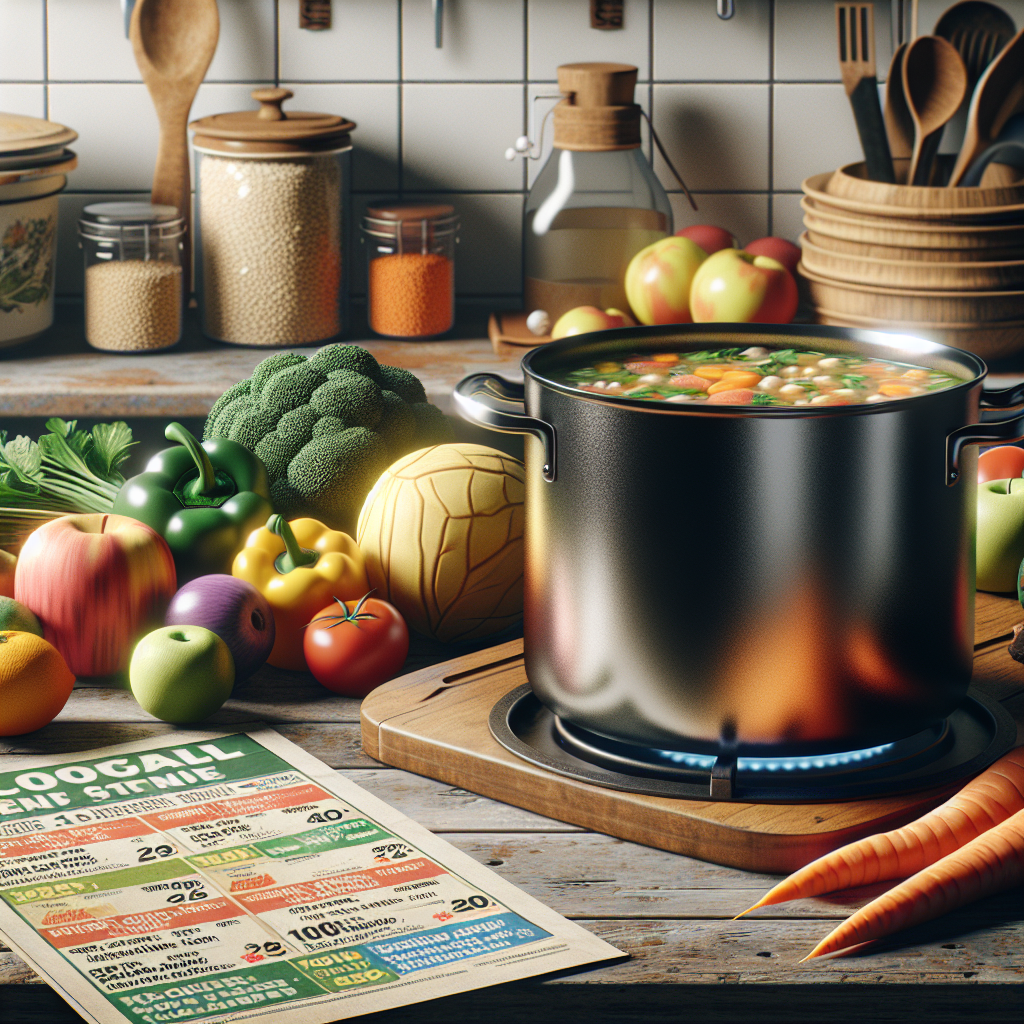
In today’s fast-paced world, many people find it challenging to maintain a healthy diet while also keeping an eye on their budget. However, you can eat nutritious, wholesome meals without spending a fortune. Here’s how to navigate the grocery aisles wisely, plan meals effectively, and make smart cooking choices that won’t strain your wallet.
1. Meal Planning: Your Best Friend
Plan Ahead
The foundation of budget-friendly cooking starts with meal planning. Take some time each week to plan your meals based on what’s on sale, seasonal produce, and what you already have in your pantry. This planning allows you to:
- Reduce impulse purchases.
- Minimize food waste.
- Ensure you have balanced meals.
Create a Shopping List
Once you’ve planned your meals, create a shopping list based on your recipes. Stick to this list to avoid buying unnecessary items that could derail your budget.
2. Smart Shopping Strategies
Buy in Bulk
Buying in bulk can lead to significant savings, especially for non-perishable items and staples like rice, beans, and oats. Look for bulk bins at your local grocery store or consider warehouse clubs.
Choose Generic Brands
Often, generic or store-brand products are just as good as name-brand items and come at a lower price. Compare ingredient lists and choose the ones that provide better value.
Seasonal Shopping
Fruits and vegetables that are in season are typically cheaper and fresher. Visit local farmers’ markets or grocery store specials to take advantage of seasonal produce.
3. Cook from Scratch
Embrace Home Cooking
Cooking meals from scratch is generally less expensive and healthier than dining out or purchasing pre-packaged foods. Basic cooking skills can go a long way:
- Learn Simple Recipes: Start with uncomplicated meals that require minimal ingredients, such as stir-fries, soups, or one-pot dishes.
- Batch Cooking: Prepare larger amounts of food and freeze leftovers for quick meals later in the week.
Use Essential Kitchen Tools
You don’t need fancy gadgets to cook at home. A few essential tools—like a good knife, cutting board, pot, and frying pan—can help you prepare a variety of meals efficiently.
4. Focus on Nutrient-Dense Ingredients
Choose Whole Foods
Include foods that are rich in nutrients but low in cost, such as:
- Legumes: Beans, lentils, and chickpeas are packed with protein and fiber.
- Whole Grains: Brown rice, quinoa, and oats are filling and nutritious.
- Frozen Vegetables and Fruits: These are just as nutritious as fresh produce and often more affordable. They also have a longer shelf life.
Explore Plant-Based Meals
Incorporating more plant-based meals into your diet can save money while offering health benefits. Dishes like vegetable stir-fries, pasta with greens, and chickpea salads are budget-friendly and packed with nutrients.
5. Minimize Food Waste
Storage and Preservation
Properly store food to extend its life. For example, keep herbs fresh by placing them in water, and use airtight containers for grains and leftovers.
Utilize Scraps
Get creative with food scraps. Vegetable peels can be saved for homemade broths, stale bread can be turned into croutons, and overripe fruits can be used in smoothies or baking.
6. Healthier Snack Alternatives
DIY Snacks
Instead of buying expensive pre-packaged snacks, consider making your own. Popcorn, granola bars, and fruit snacks can easily be prepared at home with simple ingredients.
Whole Fruits and Vegetables
Whole fruits and vegetables are often cheaper and healthier than processed snacks. Keep snacks like apples, carrots, or homemade hummus on hand to curb hunger between meals.
Conclusion
Eating healthy on a budget is not only achievable but can also be rewarding. By planning meals, shopping smartly, cooking from scratch, and focusing on nutrient-dense foods, you can enjoy a balanced diet while saving money. With a little creativity and effort, you’ll find that nutritious meals can be both affordable and delicious.
