
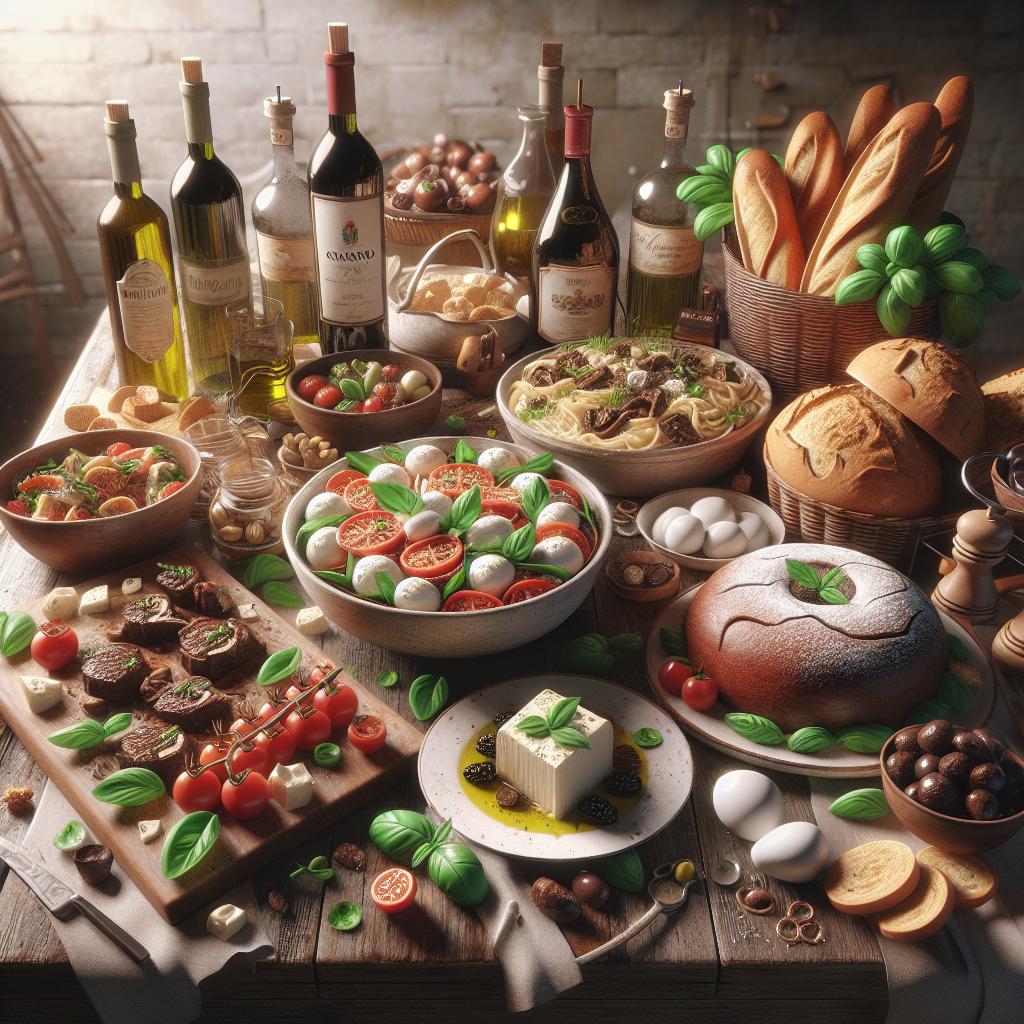
Italian cuisine is often synonymous with pizza and pasta, but this perception overlooks the rich tapestry of flavors, ingredients, and traditions that make Italian cooking an art form in its own right. From regional specialties to timeless recipes, Italian gastronomy is a celebration of heritage, simplicity, and the passionate use of local ingredients. Let’s explore the myriad of culinary delights that go beyond the well-trodden paths of pizza and pasta.
The Regional Mosaic of Italy
Italy’s culinary landscape is as diverse as its geography, with each region offering unique dishes and ingredients shaped by climate, history, and cultural influences. From the mountainous northern regions to the sunny southern coasts, the country boasts a wealth of flavors.
Northern Italy: Rich and Hearty
In the north, dishes often reflect the warmer, richer profiles of the land. Risottos, like Risotto alla Milanese, showcasing saffron, are staple examples. The mountainous areas of Trentino-Alto Adige are famous for hearty speck and cheeses, while Lombardy highlights creamy polenta and veal dishes.
Central Italy: Rustic Simplicity
Moving to central Italy, one encounters the rustic charm of Tuscany, known for its robust flavors and fresh ingredients. Dishes such as Pici cacio e pepe—thick hand-rolled pasta served simply with pecorino cheese and pepper—illustrate the balance between simplicity and flavor. Umbria, often overlooked, boasts Porchetta, a succulent, spiced roast pork that exemplifies traditional cooking methods.
Southern Italy: Vibrant and Bold
In the southern regions, the cuisine reflects a burst of colors and flavors. Sicilian Caponata, a sweet and sour eggplant dish, reveals the Arab influences that have seeped into the local culture. The coastal areas boast an array of seafood dishes, such as Spaghetti alle Vongole, integrating the freshness of the sea with local cooking traditions.
Seasonal Ingredients and Sustainable Practices
Italian cooking emphasizes seasonal ingredients, which not only elevate flavors but also promote sustainability. Market visits are integral to meal preparation, allowing cooks to choose the freshest offerings. This focus on local and seasonal produce means that what’s available can shape the daily menu, fostering creativity and encouraging the use of a variety of fruits and vegetables.
Beyond the Plate: Cultural Significance
Food in Italy is more than sustenance; it is an expression of cultural identity and family traditions. Italian meals often revolve around communal dining, a practice that fosters connection and conversation. Celebrations, holidays, and family gatherings are steeped in culinary rituals, from Feast of the Seven Fishes during Christmas to the preparation of special bread for Easter.
Moreover, Italian wines have garnered international reverence, with regions like Tuscany producing iconic selections such as Chianti and Brunello di Montalcino. Pairing wines with traditional dishes can elevate the dining experience, reflecting the harmony and balance that characterizes Italian cuisine.
Concluding the Culinary Journey
To savor true Italian cuisine is to embark on a journey through time and tradition, understanding that it is not limited to pizza and pasta alone. By exploring regional dishes, seasonal ingredients, and the cultural significance of food, one uncovers a world of flavors waiting to be experienced.
So the next time you think of Italian food, remember that behind every plate lies a story, a family tradition, and a deep reverence for the land that sustains it. Embrace the diversity, and let your palate delight in the full spectrum of Italian culinary artistry.
