
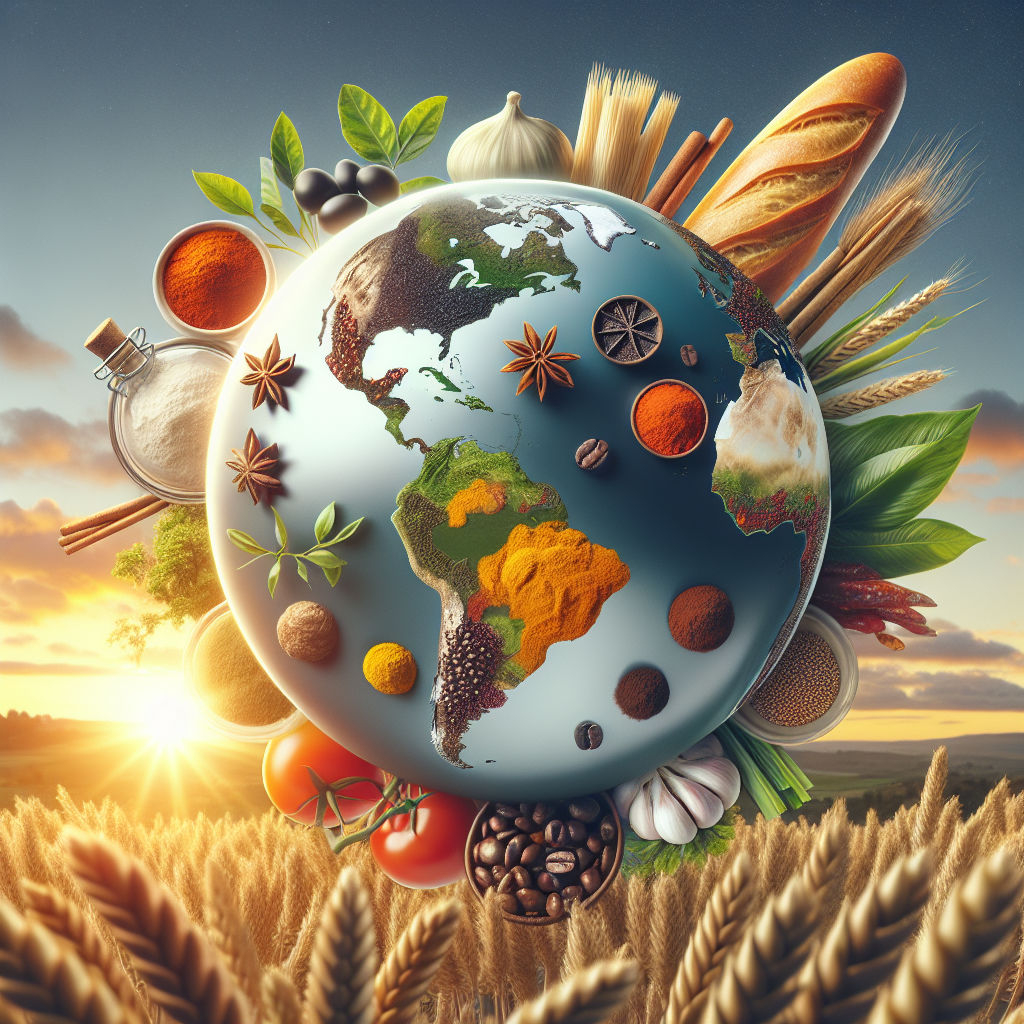
In 2024, the culinary landscape is experiencing a seismic shift, driven by a growing appreciation for bold flavors and the rich diversity of global cuisines. As the world becomes more interconnected, food enthusiasts are eager to explore dishes that reflect unique cultural narratives. This article delves into the key trends shaping global cuisine today, showcasing the innovative dishes, chefs, and cultural influences redefining our palates.
The Flavor Revolution
Fusion: A Marriage of Culinary Cultures
The fusion of culinary traditions has become a hallmark of modern gastronomy. Chefs around the globe are creatively blending ingredients and techniques from different regions, resulting in dishes that are both familiar and exotic. Think Korean tacos, Japanese-inspired ramen burgers, or Peruvian sushi. These innovative combinations not only tantalize the taste buds but also tell a story of cultural exchange and collaboration.
Spice it Up
Spices are taking center stage in 2024 as consumers show a growing interest in bold flavors. From the fiery heat of Szechuan peppercorns to the complex aroma of Ethiopian berbere, chefs are not shying away from intense flavor profiles. The rise of global spice markets has made it easier for home cooks to experiment with international ingredients, leading to a burgeoning spice culture. Classes focusing on ethnic spice blending are becoming popular, as more individuals seek to elevate their culinary skills.
Celebrating Authenticity
Local Traditions and Sourcing
As diners become more conscious of the origins of their food, there’s a renewed focus on authenticity. Chefs are relying on traditional cooking methods and sourcing ingredients locally to create dishes that honor their cultural roots. This emphasis on authenticity amplifies the stories behind each dish, allowing diners to connect with the food on a deeper level. Farmers’ markets and local producers are becoming essential partners in this endeavor, providing chefs with the freshest ingredients to honor their heritage.
Street Food’s Global Takeover
Street food continues to captivate food lovers, showcasing the vibrancy of global cuisine. Vendors from different cultures are setting up shop in urban centers, bringing traditional recipes to the forefront. Whether it’s the fragrant kebabs of the Middle East, the savory pastries of Latin America, or Indian chaat, street food embodies the essence of cultural expression and culinary innovation. Food festivals celebrating street food are on the rise, allowing participants to sample a wide array of global delights.
The Digital Culinary Community
Social Media Influence
Social media platforms have become powerful catalysts for food trends, allowing chefs and home cooks to share their culinary creations with a global audience. TikTok, Instagram, and YouTube are overflowing with mouth-watering videos showcasing unique dishes and innovative recipes. The instant gratification of these platforms fuels a desire to try new flavors and cooking styles, creating a ripple effect in dining habits.
Virtual Cooking Classes
As the barriers between cultures diminish, virtual cooking classes have emerged as a popular way to bring global recipes into home kitchens. People are eager to learn from chefs around the world, diving into the intricacies of Thai cooking or mastering the art of Italian pasta-making. This global exchange not only enhances culinary skills but also fosters an appreciation for the cultural significance of each dish.
Looking Ahead
Sustainability and Ethical Sourcing
As we move forward, there is a strong emphasis on sustainability in global cuisine. Diners are increasingly concerned about the environmental impact of their food choices, prompting chefs to prioritize ethically sourced ingredients. The focus on sustainable practices aligns with the bold flavors trend as artisans experiment with seasonal ingredients, reimagining traditional recipes in environmentally friendly ways.
The Future of Dining Experiences
In 2024, the dining experience itself is evolving. Restaurants are creating immersive environments that reflect the culture of the cuisine being served. Themed dining experiences, where the decor, music, and even the staff uniforms transport diners to another part of the world, are becoming increasingly popular. This holistic approach to dining emphasizes not just the food but the entire atmosphere, creating memorable culinary adventures.
Conclusion
The rise of global cuisine in 2024 marks a vibrant chapter in culinary history, characterized by bold flavors, cultural appreciation, and innovative expressions. As food lovers seek out new experiences and flavors, the fusion of global ingredients and traditions is set to redefine our eating habits. The journey into this rich tapestry of food is just beginning, and it promises to take us on a delicious adventure around the world, one bold bite at a time.
