
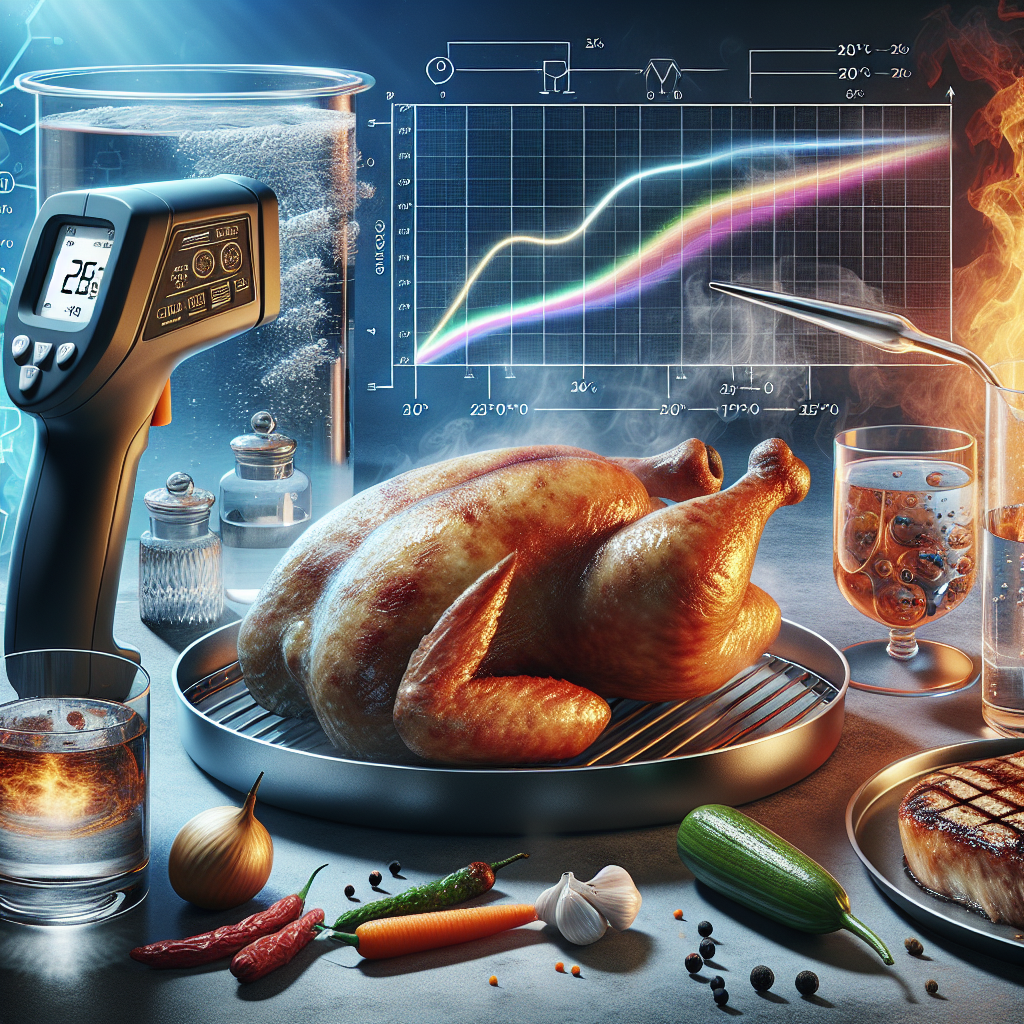
Cooking is both an art and a science, and understanding the precision behind food cooking temperatures can significantly enhance the quality, safety, and flavor of your dishes. This article delves into the science of cooking temperatures, covering the key temperature ranges, the science behind them, and how they impact food safety and flavor development.
The Importance of Cooking Temperatures
Cooking temperatures are critical for several reasons:
-
Food Safety: Proper cooking temperatures are essential to kill harmful bacteria and pathogens that can cause foodborne illnesses. The USDA provides guidelines to ensure meat, poultry, seafood, and egg products are safe to consume.
-
Flavor and Texture: Different cooking techniques and temperatures affect the flavor and texture of foods. For example, searing meat at high temperatures can create a Maillard reaction, enhancing flavor.
- Nutrient Preservation: Cooking at appropriate temperatures helps retain vital nutrients in vegetables and other food items, ensuring that the final dish is both healthy and delicious.
Key Temperature Ranges
1. Low Temperatures (145°F to 160°F or 63°C to 71°C)
- Steaks, Lamb, and Pork: Cooking to a minimum of 145°F ensures that harmful bacteria are killed while still allowing the meats to remain tender and juicy.
- Ground Meats: Should be cooked to an internal temperature of 160°F to ensure safety, as bacteria can spread throughout the meat during the grinding process.
- Fish: Cooked to 145°F, fish should be opaque and separate easily with a fork.
2. Medium Temperatures (160°F to 210°F or 71°C to 99°C)
- Poultry: Always cook chicken and turkey to an internal temperature of 165°F to eliminate the risk of salmonella.
- Egg Dishes: Custards and casseroles should reach at least 160°F to be safe for consumption.
3. High Temperatures (Above 212°F or 100°C)
- Boiling: Water boils at 212°F at sea level, making it ideal for cooking pasta and blanching vegetables. However, this temperature alone does not guarantee safety for meats.
- Baking and Roasting: Ranges from 300°F to 500°F, relying on hot air to cook food evenly. Baking bread at around 350°F creates the ideal environment for yeast to work.
The Science of Cooking
1. The Maillard Reaction
This complex chemical reaction occurs when amino acids and sugars react at higher temperatures (typically 285°F or 140°C). It’s responsible for the browning of meat and the development of deep flavors, contributing to the savory notes in roasted foods.
2. Caramelization
At around 320°F (160°C), sugars begin to melt and turn brown, transforming into complex flavors. This is why sautéing onions until they’re golden brown can create a sweet and savory base for many dishes.
Cooking Techniques and Their Impact
-
Searing: Using high heat to create a crust while keeping the inside moist.
-
Sous Vide: This technique involves cooking food in a vacuum-sealed bag at precise temperatures (often around 130°F to 140°F for meat) for an extended period, leading to perfectly even cooking.
- Slow Cooking: Utilizes lower temperatures to tenderize tough cuts of meat while deeply infusing flavors, but should be monitored to maintain food safety.
Conclusion
Understanding cooking temperatures is vital for both food safety and culinary success. By mastering these principles, you can enhance flavors, ensure safety, and create dishes that are not only delicious but also nutritious. Whether you’re a professional chef or a home cook, a solid grasp of the science behind food cooking temperatures will elevate your culinary skills and improve your kitchen outcomes.
