
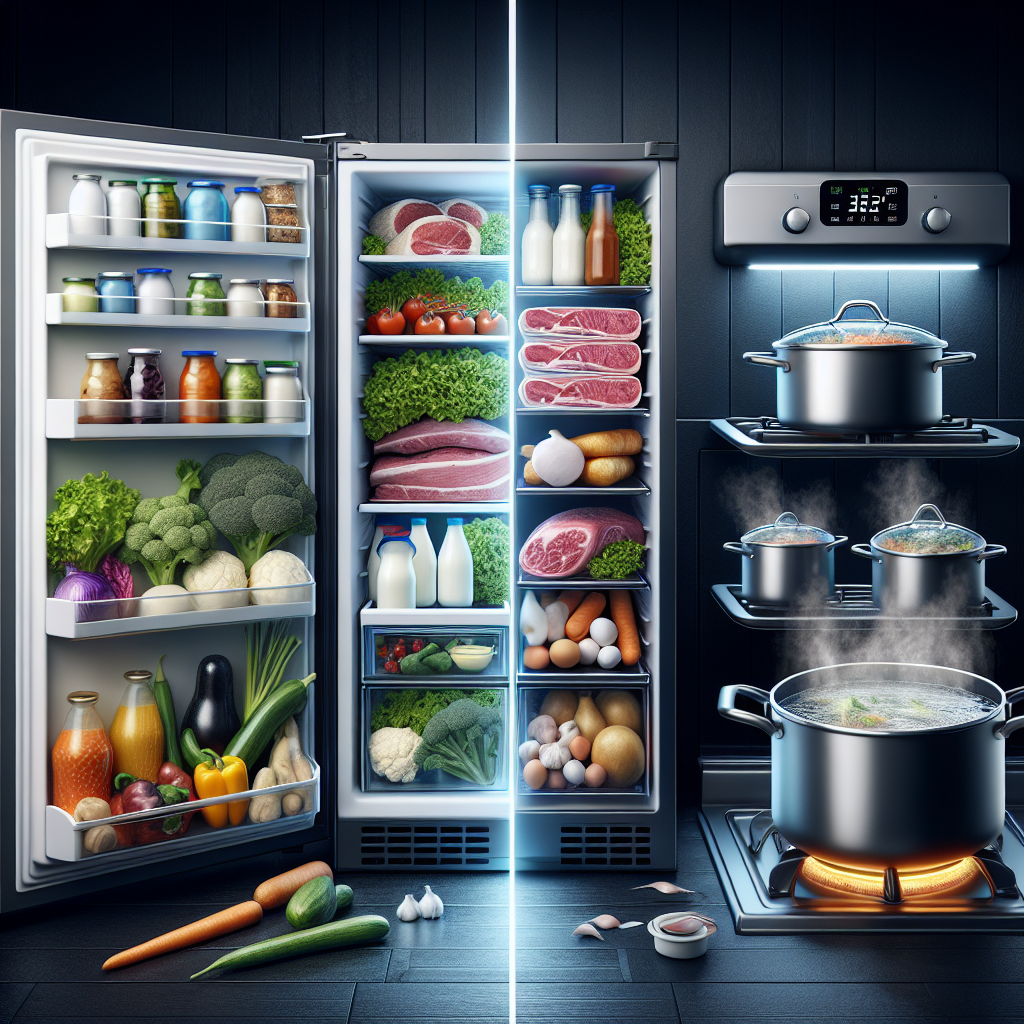
Maintaining safe temperatures for hot and cold foods is crucial for preventing foodborne illnesses. Proper food safety practices ensure that food remains safe to eat and retains its quality. Here are best practices to follow.
Understanding Temperature Danger Zones
The temperature danger zone is between 40°F (4°C) and 140°F (60°C). Within this range, bacteria can multiply rapidly, increasing the risk of foodborne illness. To minimize this risk, hot foods should be kept above 140°F, and cold foods should be stored below 40°F.
Safe Handling of Hot Foods
1. Keep Hot Foods Hot
- Maintain Temperature: Use chafing dishes, slow cookers, or warming trays to keep hot foods at or above 140°F during serving.
- Use a Food Thermometer: Regularly check the temperature of foods with a food thermometer to ensure they stay within safe limits.
2. Reheat Properly
- Heat to Safe Temperature: Reheat leftovers to at least 165°F to ensure safety. Make sure to check the internal temperature of the food using a thermometer.
3. Avoid Overloading Heat Sources
- Promote Even Heating: Avoid overcrowding pans or serving dishes to ensure heat circulates effectively.
Safe Handling of Cold Foods
1. Keep Cold Foods Cold
- Use Ice or Refrigeration: Serve cold foods on ice or use refrigerated dishes. Ensure that cold foods remain below 40°F.
2. Monitor Temperature Regularly
- Use Thermometers: Place thermometers in coolers and fridges to regularly check temperatures. Ensure they’re functioning correctly.
3. Plan Serving Time
- Limit Time at Room Temperature: Only take cold dishes out just before serving. Minimize the time they sit out, especially during events.
Storage Guidelines
1. Proper Refrigeration
- Set Refrigerator Temperature: Keep your refrigerator at or below 40°F. Use appliance thermometers to monitor.
- Avoid Overpacking: Allow for airflow around foods to maintain consistent cooling.
2. Freezing Foods
- Freeze Quickly: When freezing foods, do so in shallow containers. This allows them to cool quickly and prevents the growth of bacteria.
- Label & Date: Keep track of what and when you freeze items to avoid keeping them too long in the freezer.
Transportation Tips
1. Secure Hot and Cold Foods Separately
- Use insulated bags, coolers, or thermal containers to transport hot and cold foods separately. This prevents cross-contamination and maintains proper temperatures.
2. Plan Ahead for Long Trips
- Pack Ice Packs: For cold foods, especially if traveling for over two hours, pack adequate ice or gel packs.
- Transport Safely: Ensure food is secured during transport to avoid spills or temperature fluctuations.
Serving Tips
1. Utilize Buffet Warming and Cooling Techniques
- Use Heat Lamps or Covers: For buffet setups, use heat lamps or covers to protect hot food and maintain temperature.
2. Divide Portions
- Serve in Smaller Batches: Instead of displaying all food at once, serve in smaller batches to keep the rest hot or cold during service.
Conclusion
Implementing these best practices for handling hot and cold foods can significantly reduce the risk of foodborne illnesses. Regular monitoring, using the right equipment, and following safe storage and serving guidelines will help ensure that food remains delicious and safe for consumption. By being proactive about food safety, you’re not only protecting your health but also the health of those you serve.
