
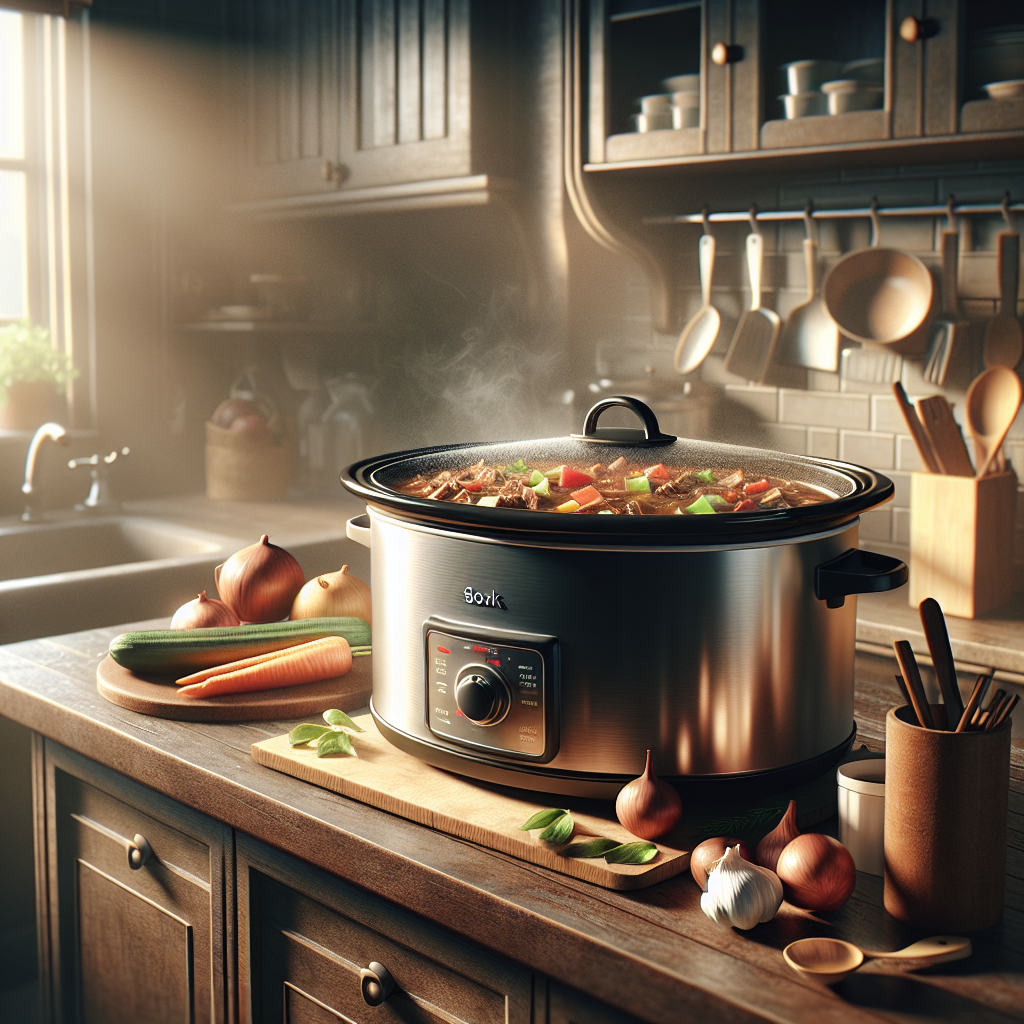
Slow cooking is a culinary technique that has gained popularity for good reason. It transforms the toughest cuts of meat and simple ingredients into tender, flavorful meals with minimal effort. This article delves into the fundamentals of slow cooking, essential techniques, and tips to help you achieve perfect results every time.
What is Slow Cooking?
Slow cooking involves simmering food at low temperatures over an extended period, typically 6 to 10 hours. This method allows flavors to meld and develop while breaking down tough fibers in meats, resulting in tender dishes. Slow cookers, or crockpots, are the most common appliance for this technique, but you can also use a Dutch oven or a standard oven set to low heat.
Essential Techniques for Slow Cooking
1. Choose the Right Cuts of Meat
The best cuts of meat for slow cooking are those with higher fat content or connective tissue, such as:
- Chuck Roast: Ideal for pot roast and beef stew.
- Pork Shoulder: Great for pulled pork and BBQ dishes.
- Brisket: Perfect for succulent, flavorful dishes.
- Chicken Thighs: More flavorful and forgiving than breasts.
2. Sear for Extra Flavor
While slow cooking is about convenience, searing your meat before placing it in the slow cooker can add depth and complexity to your dish. Browning the surface caramelizes the natural sugars in the meat, enhancing overall flavor.
3. Layer Ingredients Wisely
How you layer ingredients in your slow cooker matters. Start with root vegetables, such as carrots and potatoes, on the bottom. This placement allows them to absorb the juices from the meat and prevents them from becoming mushy during extended cooking. Place meat on top, followed by any additional vegetables and seasonings.
4. Use the Right Amount of Liquid
Too much liquid can result in a watery, unappetizing dish, while too little can lead to dryness. Use just enough liquid to cover the bottom of the cooker—usually around 1 to 2 cups, depending on the recipe. Broths, stocks, and even sauces work well, enhancing flavor as they reduce during cooking.
5. Don’t Open the Lid
Every time you lift the lid, heat escapes, extending cooking times and impacting the final product. Resist the urge to check on your meal unless absolutely necessary.
6. Adjust for Cooking Times
Cooking times can vary based on your slow cooker and the ingredients used. Generally, cook on low for 6 to 8 hours or high for 3 to 4 hours. Use a meat thermometer to ensure meat reaches safe temperatures (165°F for poultry, and 145°F for other meats).
Tips for Flavorful Slow Cooking
1. Season Boldly
Flavors mellow during long cooking times, so don’t be shy with spices and herbs. Consider adding them in stages—some at the beginning and others towards the end of the cooking period for a fresher taste.
2. Opt for Acid
Adding a touch of acidity can uplift flavors and balance richness. Ingredients like vinegar, lemon juice, or tomato products can enhance depth. Add acidic components in the last hour of cooking to preserve their brightness.
3. Use Fresh Herbs Wisely
Fresh herbs can lose potency during extended cooking. Add heartier herbs, like rosemary and thyme, at the beginning, but save delicate herbs, like parsley and basil, until the end for maximum flavor.
4. Tackle Leftovers Creatively
Slow-cooked meals often yield plenty of leftovers. Transform them into new dishes—stir them into pasta, blend them into soups, or create burritos.
Conclusion
Slow cooking is a fantastic way to simplify meal preparation while maximizing flavor and tenderness. By understanding the key techniques and tips outlined in this article, you can create delightful, hearty meals with ease. Embrace the slow cooker, and let it work its magic for you!
