
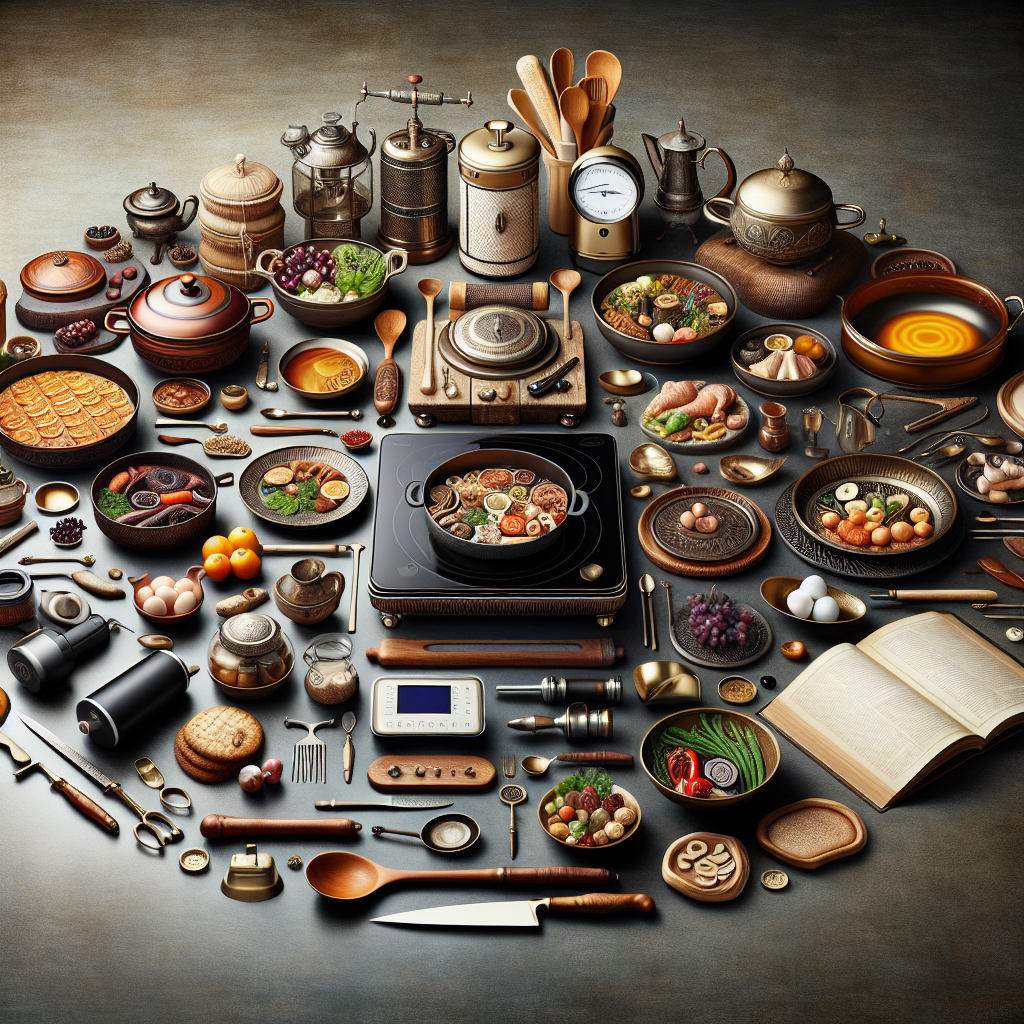
Analyzing the Fusion of Traditional Flavors and Modern Techniques
The culinary landscape is constantly evolving, blending cultures and techniques from around the world to create innovative dishes that transcend geographic boundaries. At the forefront of this evolution is the art of fusion cuisine, which marries traditional flavors with modern cooking methods. This trend not only introduces unique palates but also preserves culinary heritage in a contemporary context.
Understanding Fusion Cuisine
Fusion cuisine refers to the innovative combination of elements from different culinary traditions. While it has gained popularity in recent years, the concept is not entirely new; cultures have historically exchanged cooking techniques and ingredients, leading to the development of hybrid dishes. Today, chefs are increasingly harnessing this rich heritage to create new culinary experiences that resonate with diverse audiences.
Traditional Flavors: A Rich Tapestry
Traditional flavors stem from local ingredients, cultural practices, and time-honored recipes passed down through generations. Each region boasts its unique flavor profile influenced by climate, agriculture, and history. For instance, Italian cuisine is characterized by its use of olive oil, garlic, and fresh herbs, while Indian cuisine features a complex array of spices such as cumin, coriander, and turmeric.
These flavors evoke nostalgia and cultural identity, appealing to both the senses and the emotional connection people have with food. Incorporating traditional tastes into modern dishes allows chefs to honor culinary heritage while making it accessible to contemporary diners.
Modern Techniques: Innovation in the Kitchen
Modern culinary techniques have revolutionized how food is prepared and presented. Advances in technology, such as sous-vide cooking, molecular gastronomy, and fermentation, offer chefs new avenues to explore texture, flavor, and presentation.
-
Sous-vide Cooking: This method involves vacuum-sealing food in a bag and cooking it to a precise temperature in a water bath. This technique allows for enhanced flavor retention and texture, providing a way to elevate traditional dishes, such as perfectly cooked meats seasoned with cultural spices.
-
Molecular Gastronomy: This approach applies scientific principles to cooking, creating unexpected textures and flavors. For example, a traditional dessert like panna cotta can be transformed with the inclusion of edible foams or gels, pushing the boundaries of how we perceive classic recipes.
- Fermentation: A technique rooted in many traditional cuisines, fermentation enhances flavors and preserves ingredients. Modern chefs are embracing this science to create new interpretations of traditional dishes, such as kimchi tacos that combine Korean and Mexican flavors.
Case Studies: Successful Fusion Creations
-
Korean Tacos: This dish marries Korean barbecue flavors with Mexican tortilla-centric cuisine. Gochujang-marinated meat is served in a taco, topped with spicy slaw, showcasing a balance of heat and acidity. This fusion not only introduces new flavors but also creates a sense of cultural dialogue.
-
Ramen Burger: Combining traditional Japanese ramen with the classic American burger, chefs use ramen noodles as the bun. This playful reinterpretation not only highlights the versatility of ramen but also provides an unexpected twist that intrigues both culinary enthusiasts and everyday diners.
- Chaat Poutine: A popular Canadian dish, poutine, is reimagined using traditional Indian chaat flavors, including chickpeas, tamarind chutney, and yogurt. This dish celebrates a melding of cuisines, creating a comforting yet exciting new experience.
The Culinary Journey: Challenges and Ethical Considerations
While fusion cuisine is celebrated for its creativity, chefs must navigate potential pitfalls. Appropriation, dilution of traditional recipes, and customer expectations can pose challenges. Ethical considerations, such as respect for cultural origins and understanding the significance of traditional recipes, are paramount to maintaining authenticity while innovating.
Chefs can honor traditional flavors by collaborating with cultural representatives and sourcing authentic ingredients. By doing so, they ensure that fusion dishes are a respectful homage rather than a mere gimmick.
Conclusion: A Flavorful Future
The fusion of traditional flavors and modern techniques reflects the dynamic nature of global cuisine. As chefs continue to explore and innovate, they not only create new culinary experiences but also enrich the tapestry of global gastronomy. The challenge lies in maintaining respect for tradition while embracing modernity, ensuring that the flavors of the past remain a vibrant part of our culinary future.
In this ever-evolving culinary landscape, the fusion of tradition and innovation stands as a testament to the beauty of our shared gastronomic journey, inviting diners to savor a world of flavors on every plate.
