
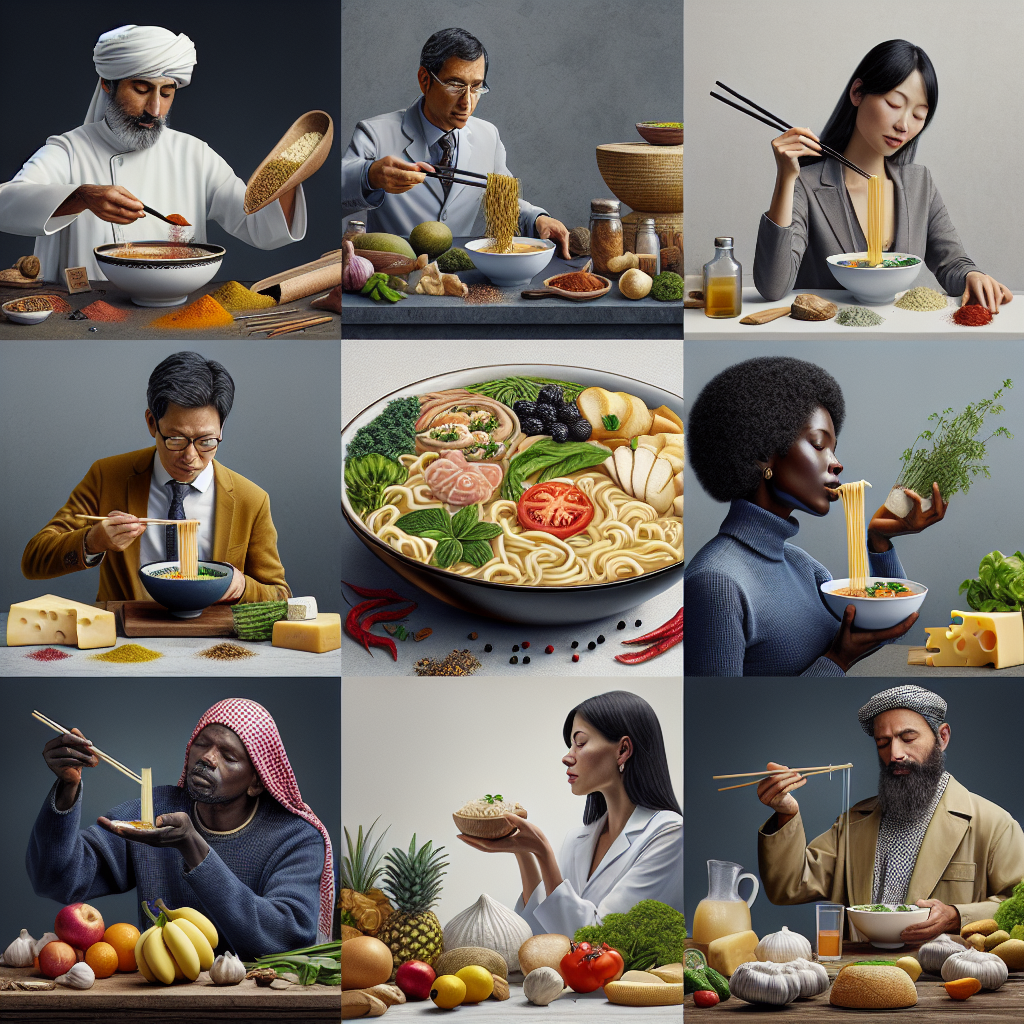
Flavor pairing is an art deeply rooted in individual cultures, reflecting traditions, local ingredients, and historical exchanges. As people migrated, traded, and interacted, they brought their culinary practices with them, resulting in diverse flavor profiles that are emblematic of their regions. This article explores how cultural influences shape flavor combinations, highlighting distinctive characteristics from various parts of the world.
1. Historical Context and Trade
Spices and the Silk Road
The historical trade routes, such as the Silk Road, played a vital role in flavor development. Spices from Asia made their way to Europe and the Middle East, enhancing food preparation techniques. The combination of cinnamon, cloves, and nutmeg became a staple in many European desserts, illustrating how cultural exchanges initiated new flavor pairings.
Colonial Influence
Colonial histories also reshaped culinary practices, especially in the Caribbean, where a mix of Indigenous, African, and European ingredients led to the creation of unique dishes. For instance, the fusion of spices, such as allspice and scotch bonnet peppers, results in the distinctive flavor of jerk seasoning.
2. Geography and Climate
Ingredients at Hand
Regions with specific climates yield unique agricultural outputs, leading to characteristic flavors. Mediterranean countries, for example, are abundant in olive oil, fresh herbs, and tomatoes, which harmonize beautifully in dishes like Greek salads and Italian pasta. The emphasis on fresh, local ingredients signifies a culture that values simplicity and quality.
Conservation Methods
In colder climates, the necessity for preservation has influenced flavor pairings. Fermentation and smoking are prevalent in Scandinavian cuisine, where herring and meats are often pickled or cured, enriching their flavors with tangy or smoky profiles. These methods reflect a culture adapted to its environment, valuing food preservation and ingenuity.
3. Religious and Cultural Practices
Dietary Restrictions
Religious beliefs impact flavor pairings significantly. For instance, in Hindu culture, vegetarianism is common, leading to creative combinations of legumes, grains, and spices, like lentils with turmeric and coriander. In contrast, Islamic dietary laws influence Middle Eastern cuisine, where lamb, chicken, and spices play a central role in dishes like biryani and kebabs.
Festivals and Rituals
Culinary traditions are often tied to festivals, where specific flavors and ingredients are used to commemorate special occasions. In Japan, sakura (cherry blossoms) symbolizes spring, leading to the use of cherry blossom flavors in desserts during Hanami festivals. These culturally significant pairings create a deeper connection among individuals and their heritage.
4. Modern Influences and Globalization
Fusion Cuisine
In contemporary culinary practices, globalization has led to the rise of fusion cuisine. Chefs experiment with flavors from different cultures, leading to innovative pairings, such as Korean tacos or sushi burritos. This blending reflects a globalized world where culinary boundaries blur, and individuals are more open to mixing traditional flavors.
Social Media and Culinary Trends
Social media platforms like Instagram have played a significant role in shaping public interest in diverse cuisines. Food trends often go viral, encouraging individuals to explore various flavor pairings that can be visually appealing as well. This cross-cultural exchange promotes a broader understanding of different flavor profiles while celebrating diversity.
5. Flavor Pairing and Science
Chemical Interactions
While cultural contexts provide a framework, science increasingly informs flavor pairings. The “flavor pairing theory” suggests that certain flavors complement each other based on their chemical compounds. For example, strawberries and basil pair well because they share similar aromatic compounds. This scientific understanding often supports traditional pairings and encourages new explorations.
Sensory Experience
The sensory experience of food is also shaped by cultural upbringing. Taste preferences are often developed during childhood, influenced by family cooking and regional cuisine. These early experiences lead to individual and communal flavor pairings that resonate culturally.
Conclusion
Cultural influences are paramount in shaping how different regions approach flavor pairing. Through the lenses of history, geography, religion, and modernity, we see how diverse culinary practices reflect a tapestry of human experience. As globalization continues to bring cultures together, the fusion of flavors only enriches our culinary landscape, celebrating the myriad influences that contribute to how we enjoy food across the world.
