
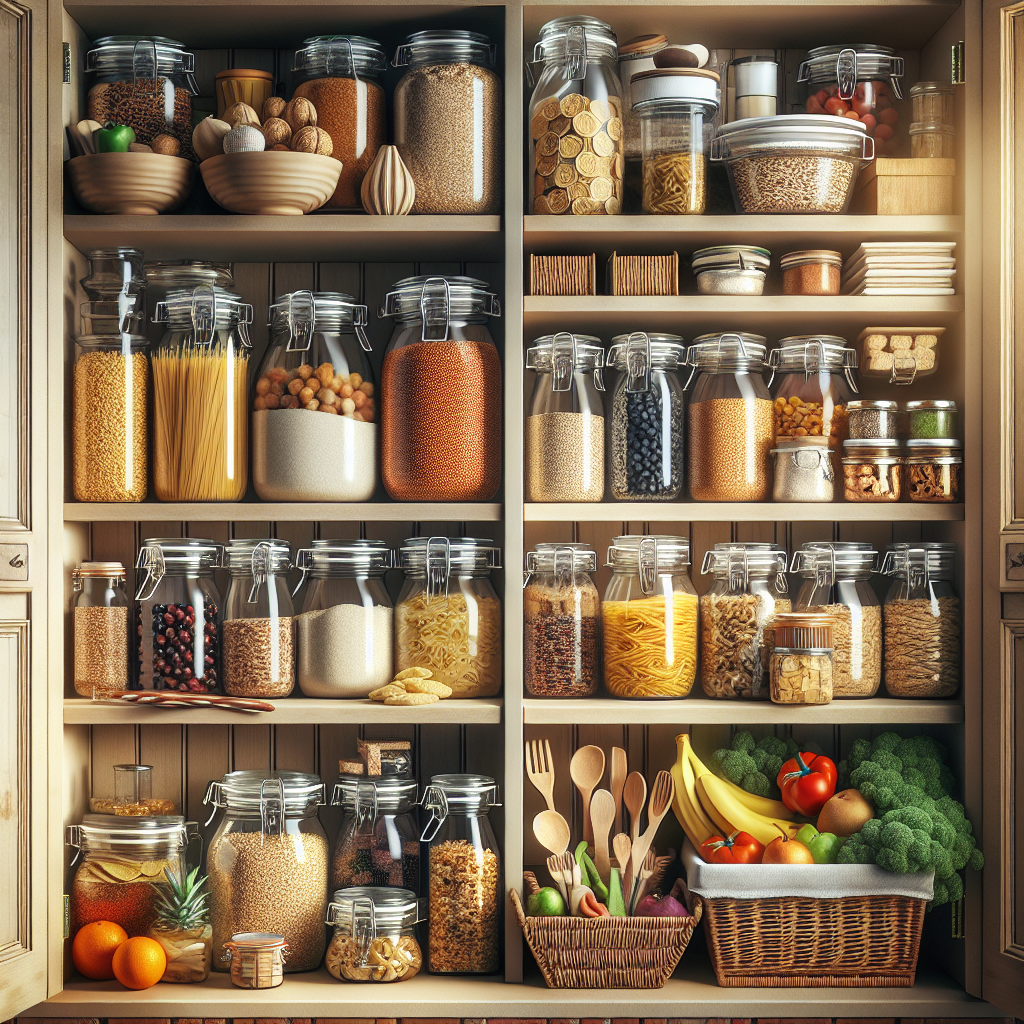
An organized pantry can revolutionize your kitchen experience, making meal prep more efficient and reducing food waste. Whether you have a small cupboard or a spacious pantry room, optimizing your food storage is essential for ensuring that everything is easy to find and properly stored. Here’s a guide on how to achieve an organized and functional pantry.
1. Assess and Purge
Evaluate Your Inventory
Start by taking everything out of your pantry. This gives you a clear view of what you have, what you use often, and what may have expired. Toss out any expired items, duplicates, or foods you know you won’t consume.
Donation
Consider donating non-perishable items that are still good but that you don’t plan on using. Food pantries often welcome canned goods and dry items.
2. Clean the Space
Wipe Down Shelves
After emptying your pantry, take the time to clean the shelves with a disinfectant. This not only removes crumbs and spills but also prevents pests.
Consider Shelf Liners
Using shelf liners can help keep your pantry clean and make it easier to slide out jars and cans.
3. Categorize Items
Group Similar Items
Organize food items into categories. Common groupings include:
- Canned Goods: Vegetables, soups, beans
- Grains and Pasta: Rice, quinoa, pasta
- Baking Supplies: Flour, sugar, baking powder
- Snacks: Chips, nuts, granola bars
- Spices and Condiments: Rotate spices for easy access
Use Clear Bins
Consider investing in clear bins or baskets for each category. This keeps items contained and can help you see at a glance what you have.
4. Optimize Shelf Space
Use Vertical Space
Stackable bins and risers can free up vertical space by allowing you to store items in layers. This is particularly helpful for cans and jars.
Adjustable Shelving
If your pantry allows, consider adjustable shelving to better accommodate different item heights, from tall cereal boxes to smaller spice jars.
Label Everything
Label bins and shelves for quick identification. Use a label maker or simply write on masking tape. This is especially useful for family members and can save time during meal prep.
5. Control Temperature and Humidity
Avoid Direct Sunlight
Store your pantry in a cool, dry place away from direct sunlight. This helps preserve the quality of your food, particularly for items like oils and spices that can degrade with light exposure.
Airtight Containers
Invest in airtight containers for items like flour, sugar, and snacks. This keeps them fresh longer and prevents pests.
6. Implement FIFO (First In, First Out)
Rotate Items
When restocking your pantry, place newer items behind older ones. This practice, known as FIFO, ensures you use up older items before they expire, reducing food waste.
Use Clear Jars
For items like grains and pasta, consider using clear jars so you can easily see what you have on hand, helping you keep track of usage and expiration dates.
7. Maintain Your Organized Pantry
Regular Check-ups
Schedule regular check-ups, perhaps every few months, to reassess and reorganize your pantry. This keeps clutter at bay and ensures you are always aware of your inventory.
Adjust as Necessary
Life changes, and so do your food habits. Be flexible and adjust your pantry organization as needed based on what you cook most often.
Conclusion
An organized pantry doesn’t just look great—it makes meal prep faster, helps reduce food waste, and ensures that you know exactly what you have on hand. By following these steps, you can create an optimal food storage system that will streamline your cooking and make groceries more accessible. Enjoy the peace of mind that comes with a well-organized space, and feel invited to experiment more in the kitchen!
