
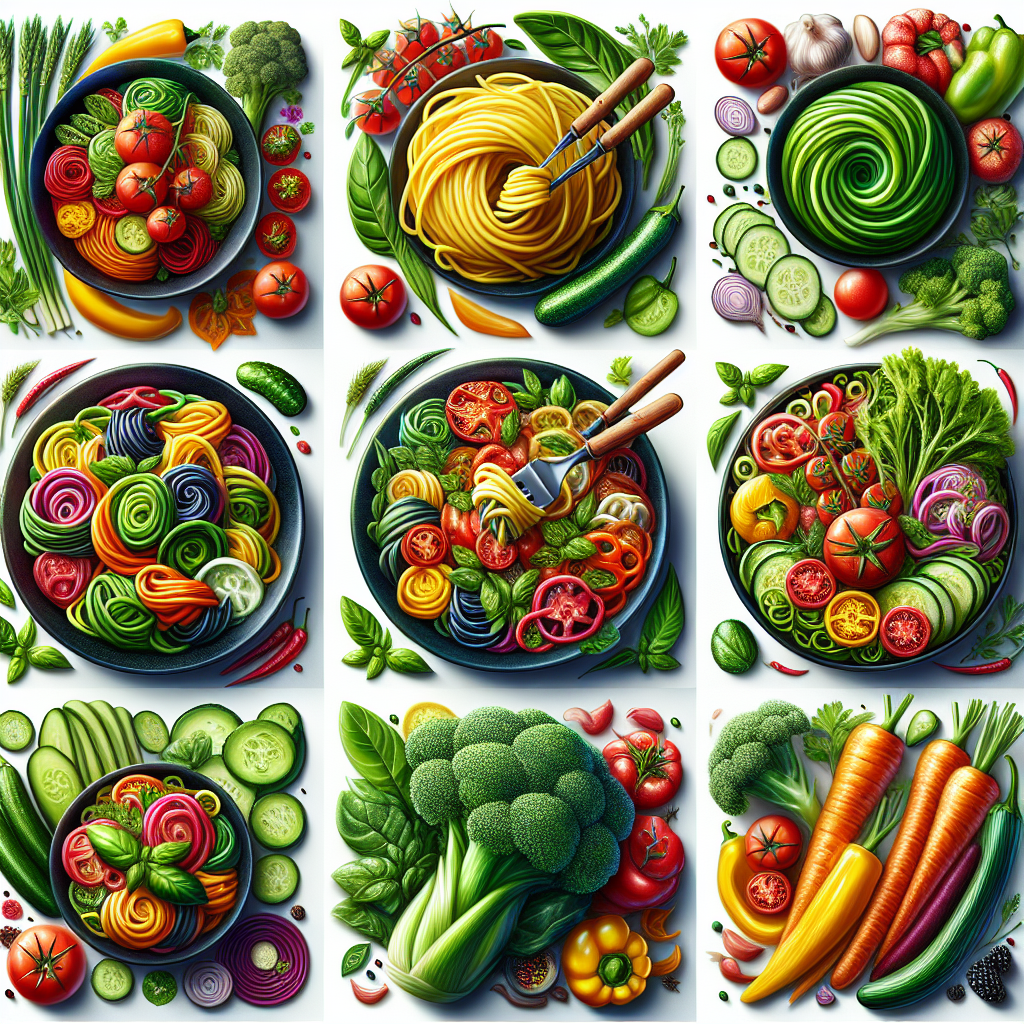
Plant-Based Power: Creative Ways to Incorporate More Vegetables into Your Diet
In recent years, the benefits of a plant-based diet have been widely recognized—from improved health markers to a reduced environmental impact. Yet, for many, integrating more vegetables into daily meals can seem daunting or uninspiring. The good news? There are countless creative ways to make vegetables not just a side dish, but the star of your meals. Here are some innovative strategies to help you ramp up your vegetable intake.
1. Vegetable-Centric Breakfasts
Start your day with a veggie boost. Consider these options:
- Smoothie Bowls: Blend spinach or kale into your smoothie along with fruits for a nutrient-rich breakfast. Top it with seeds, nuts, and granola for texture.
- Veggie Omelettes: Whip up a fluffy omelette packed with tomatoes, bell peppers, onions, and spinach. Consider adding avocado for healthy fats.
- Overnight Oats: Mix grated zucchini or carrots into your overnight oats alongside your usual ingredients, adding moisture and nutrients without a strong flavor.
2. Sneaky Additions
Incorporating vegetables into familiar recipes can be a clever way to enhance your meals without overtaking their flavors:
- Pasta and Sauces: Incorporate pureed cauliflower into your mac and cheese or blend roasted red peppers into marinara sauce for an extra kick.
- Baked Goods: Add carrot or zucchini to muffins and breads. These ingredients add moisture and sweetness while bumping up the vitamin content.
- Soups and Stews: Almost any soup can benefit from more vegetables. Load up your favorite recipes with diced carrots, spinach, or even sweet potatoes.
3. Creative Salads
Salads don’t have to be boring. Elevate yours with unique ingredients and dressings:
- Grain Salads: Use quinoa, farro, or bulgur as a base and incorporate roasted vegetables, nuts, and a flavorful dressing.
- Spiralized Veggies: Swap traditional pasta with spiralized zucchini or carrots for a refreshing twist on classic dishes.
- Cabbage Varieties: Experiment with different types of cabbage—such as Napa or Savoy—for an interesting texture, or turn them into fermented dishes like kimchi.
4. Snack Smarter
Ditch the chips and opt for vegetable-based snacks:
- Veggie Chips: Make your own by baking thinly sliced kale, sweet potatoes, or beets for a crunchy snack.
- Stuffed Veggies: Fill bell peppers or cucumber boats with hummus, avocado, or a bean dip for a nutritious grab-and-go option.
5. Cook with Color
Incorporate a variety of colors to ensure a range of nutrients. Techniques include:
- Roasting: Roasting brings out the natural sweetness in vegetables like carrots, Brussels sprouts, and butternut squash. Toss them with olive oil, salt, and herbs before baking.
- Stir-Fries: Use a rainbow of veggies such as broccoli, snap peas, and bell peppers tossed in a savory sauce for a quick and easy dish.
- Wraps and Tacos: Use large lettuce leaves as wraps for various fillings or fill corn tortillas with black beans, cabbage, and diced tomatoes.
6. Experiment with Cooking Techniques
Different preparation methods can enhance flavor and texture:
- Grilling: Grilled vegetables like zucchini, corn, and asparagus have a delightful smokiness that can elevate any dish.
- Fermentation: Try pickling vegetables like carrots, radishes, or cauliflower to add tang and crunch to meals.
- Blending and Juicing: For a refreshing alternative, blend vegetables into smoothies or juice them for a nutrient-dense drink.
7. Meal Prepping for Success
Making vegetables accessible throughout the week can keep you on track:
- Pre-cut Veggies: Spend some time at the beginning of the week washing, chopping, and storing vegetables. Having them ready to go encourages snacking healthy.
- Batch Cooking: Make big batches of vegetable-heavy soups, stews, or casseroles that you can store for easy, healthful meals throughout the week.
Conclusion
Incorporating more vegetables into your diet doesn’t have to be a tedious task. With a little creativity and planning, you can transform meals into vibrant, plant-based powerhouses that are both nutritious and delicious. Embrace the versatility of vegetables and watch as your cooking skills—and health—improve. Start today by experimenting with just one new vegetable or recipe, and let your culinary journey unfold!
