
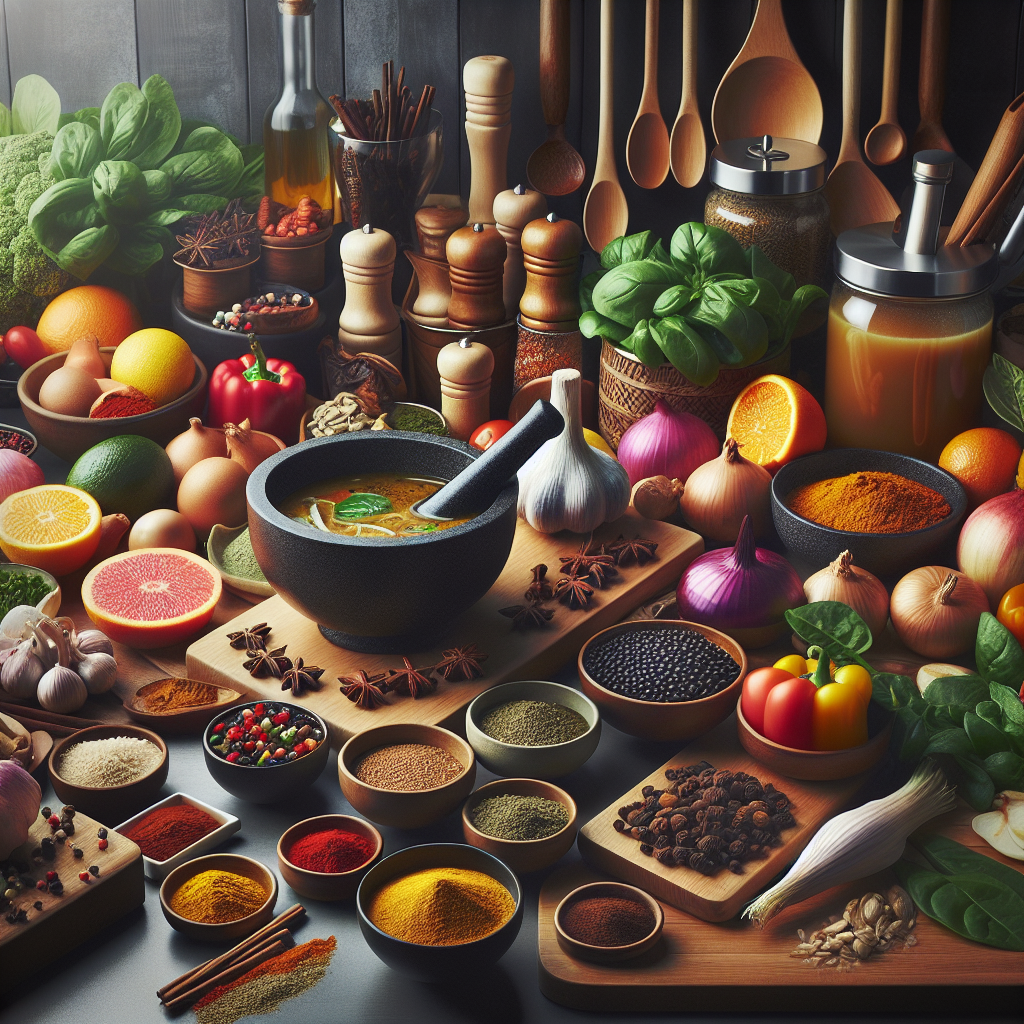
Cooking is an art, and like any art form, it benefits greatly from inspiration drawn from various sources. One of the most exciting ways to elevate your culinary skills is by integrating global flavor pairings into your dishes. This not only enhances your meals but also introduces diverse cultural influences that can transform everyday cooking into extraordinary experiences. Here are some tips to help you embrace these flavor pairings in your cooking repertoire.
1. Understand the Basics of Flavor Profiles
Before diving into global flavor pairings, familiarize yourself with the concept of flavor profiles. Each cuisine has a unique combination of tastes that define its character:
- Sweet: Used in desserts and savory dishes alike. Common sources include sugar, fruits, and honey.
- Sour: Found in citrus fruits, vinegar, and fermented products, sour elements add a refreshing tang.
- Salty: Salt enhances flavor and can be derived from various sources such as soy sauce, fish sauce, or cured meats.
- Bitter: Often overlooked, bitterness can be found in ingredients like leafy greens, coffee, and certain spices.
- Umami: This savory taste is present in ingredients like mushrooms, tomatoes, and aged cheeses.
Understanding these flavors will help you create harmonious pairings from different global cuisines.
2. Explore Global Spices and Herbs
Spices and herbs are the heart of flavor in any dish. Experimenting with herbs and spices from various cuisines can add depth and complexity to your meals. Here are some examples:
- Mediterranean: Basil, oregano, and thyme pair wonderfully with tomatoes and olive oil.
- Indian: Cumin, coriander, and cardamom work harmoniously with lentils and meats.
- Thai: Lemongrass, galangal, and kaffir lime leaves are vital for achieving authentic Thai flavors.
- Mexican: Cilantro, chili powder, and smoked paprika are great for enhancing salsas and grilled meats.
Start with small amounts and adjust according to your taste to find the right balance.
3. Create Fusion Dishes
Fusion cooking allows you to blend elements from different culinary traditions, creating something entirely new. Here are some ideas for fusion dishes that effectively incorporate global flavors:
- Taco Sushi: Combine Mexican and Japanese cuisines by filling sushi rolls with seasoned avocado, spicy tuna, and fresh cilantro, then serve with a spicy chipotle-mayo dip.
- Curry Pizza: Top a pizza crust with a layer of curry sauce, then add toppings like chicken tikka, red onions, and cilantro, finishing with mozzarella cheese.
- Mediterranean Stir-Fry: Incorporate Mediterranean ingredients such as feta cheese, olives, and artichokes into a classic stir-fry.
The key is to maintain balance; ensure that one cuisine does not overshadow the other.
4. Try International Sauces and Condiments
Sauces and condiments can redefine a dish and introduce intricate flavors. Here are a few to experiment with:
- Chimichurri: A vibrant Argentine sauce made with parsley, garlic, vinegar, and olive oil that elevates grilled meats.
- Harissa: A spicy North African paste made from chili peppers, garlic, and spices, perfect for marinades or adding heat to stews.
- Sriracha: This Thai hot sauce brings spicy and garlicky notes, ideal for drizzling on almost anything.
- Tzatziki: A cool yogurt-based sauce from Greece made with cucumber and garlic, perfect for balancing spicy dishes.
These sauces can easily be incorporated into your existing recipes for a global twist.
5. Understand Seasonality and Regional Ingredients
Using seasonal and regional ingredients can significantly impact the quality and flavor of your dishes. Romanticizing global flavors often means including local elements, which can elevate your culinary creations, making them feel fresh and unique. For example, use local seafood in a Japanese-inspired dish or seasonal vegetables in Mediterranean recipes.
6. Learn from Global Cuisines
Take the time to study cooking techniques and traditions from various cultures. Attend cooking classes, watch online tutorials, or read cookbooks that focus on international cuisines. Understanding the traditions behind flavor pairings can enhance your appreciation and execution in the kitchen.
7. Experiment and Taste
The best way to learn is through experimentation. Don’t be afraid to mix flavors, try new combinations, and tweak recipes. Keep a journal of your culinary adventures, noting what works and what doesn’t. Remember, cooking is a journey, and every misstep is an opportunity to learn and grow.
Conclusion
Integrating global flavor pairings into your cooking repertoire can be an enriching experience that broadens your palate and enhances your meals. By exploring spices, fusion dishes, and international sauces, you’ll find an array of new flavors waiting to be discovered. Embrace the adventure of cooking by stepping outside your comfort zone and bringing a world of tastes to your table. Happy cooking!
